Embodied Flow – Qi Dao
Learn to trust your body’s own movement again
You don’t need to find calm.
Your body already knows how it moves
toward balance.
Apply for a place
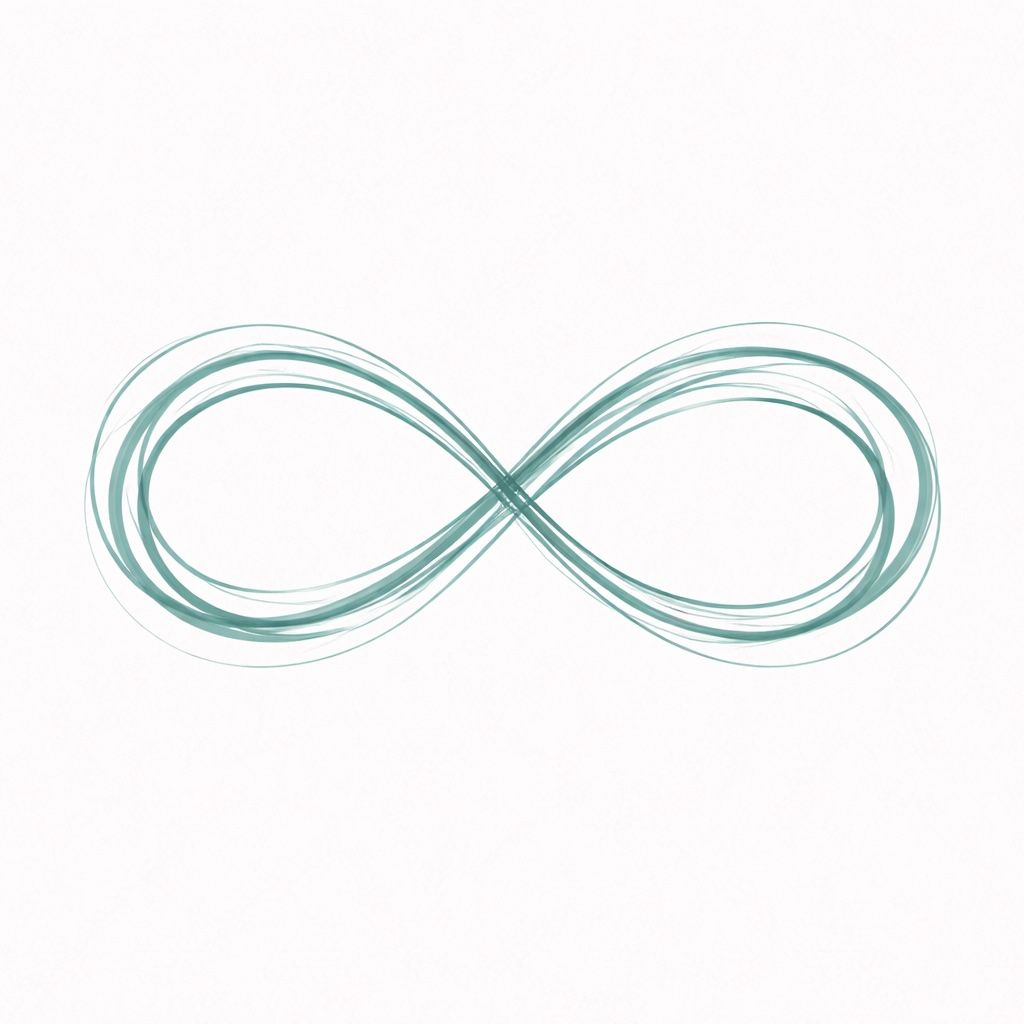
The movement begins.
A simple rhythm the body can recognize.
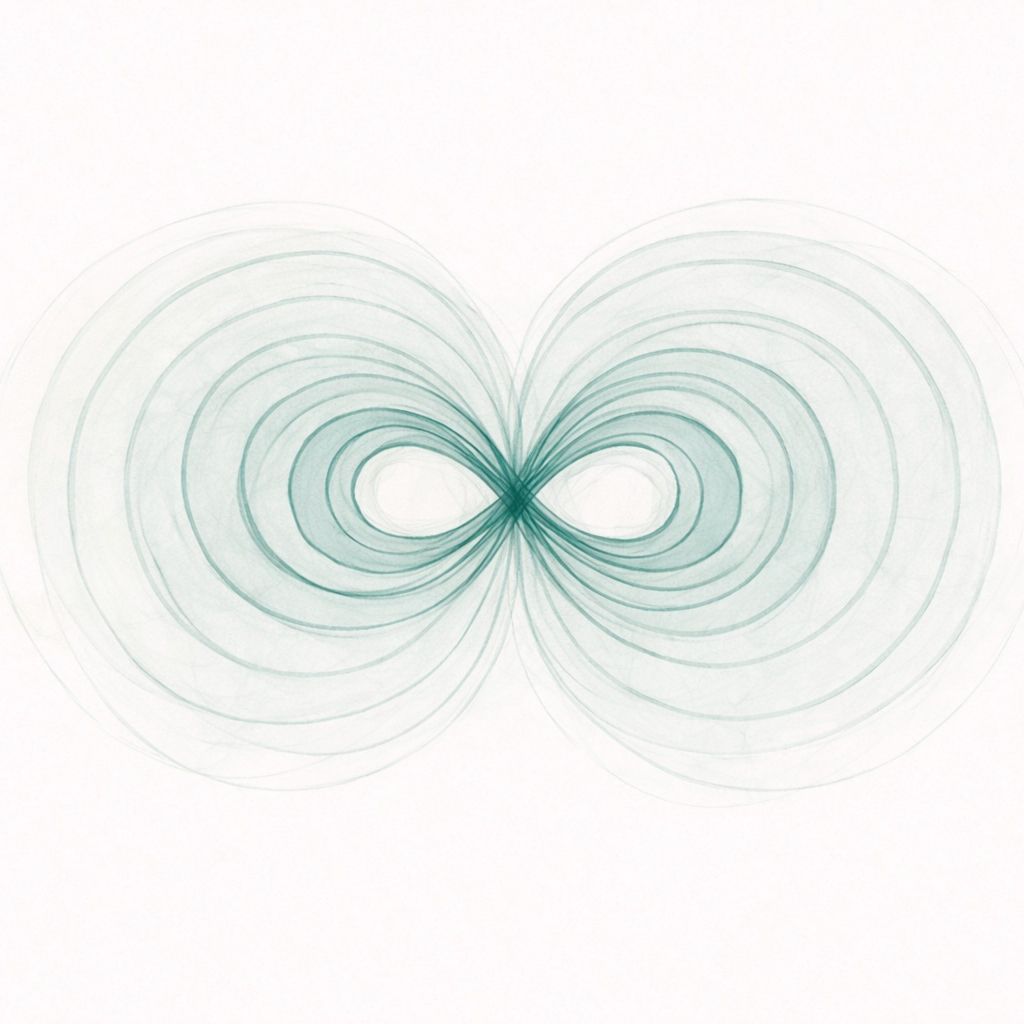
The movement empower.
The body begins to gather.
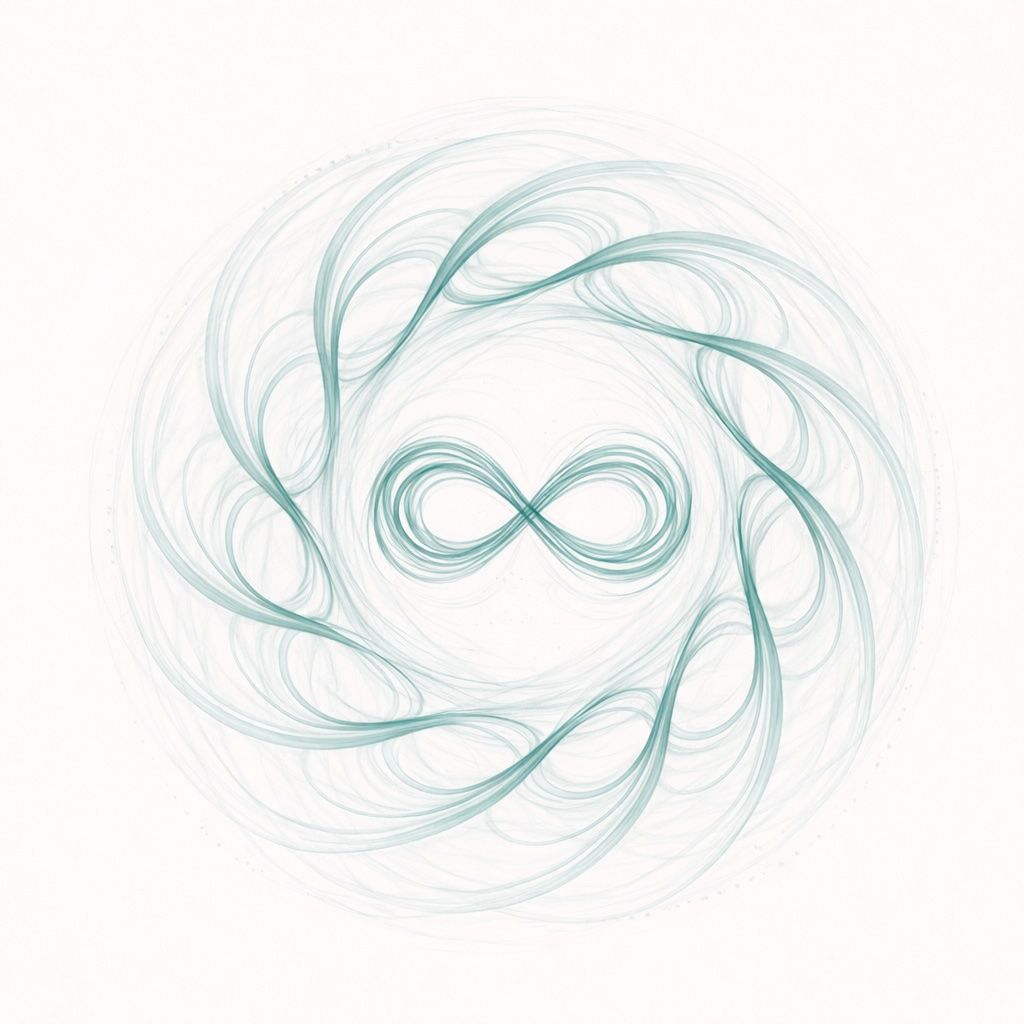
The movement evolves.
Small shifts create new flow.
You might recognize this
You try to find calm, but it doesn’t last.
You end up either too much in your head or too much in your body.
You know what you’re supposed to do — but it doesn’t land.
This program is not about becoming calm.
It’s about learning how your body already moves toward balance.
What you’ll gain
Figure-eight movements from the center of the body
-
- Regulation through movement — not control
-
- A body that can move without losing itself
- A practice you can use in everyday life

How the body finds balance
The body does not regulate through control.
It does so through movement.
Not linearly —
but through repetition, shifts, and loops.
What feels like imbalance
is often a movement that is not yet complete.
When the movement gathers
When the movement becomes continuous,
the body begins to organize itself differently.
Legs, hips, and upper body start working together.
What was once separate becomes connected.
It may be experienced as more flow, more direction,
and a clearer movement in the space around you.
Integration is not stillness.
It is movement that holds together.
Movenemt, not form
What you see is not a shape.
It is a movement.
A continuous crossing through the body —
where up and down,
forward and back,
inside and outside
connect.
Your voice moves in the same way.
As the movement repeats,
small shifts begin to emerge.
And within those shifts,
the body begins to organize itself.
This is where clarity arises.
Not through control — but through movement.
without stopping. This is how we work. Eight expressions. Six directions. Opposites that carry each other. A body finding its way home.
When the movement becomes real
I have used this practice myself
to develop a deeper bodily understanding —
and a clearer sense of myself.
To be in relationships
without losing myself.
It has changed the way I move through the world.
Today I can:
-
stand more clearly in myself
express myself with greater calm and strength
move with more coherence and ease
Before, I had a tendency to adapt in extremes.
I lost myself in relationships.
I withdrew when I needed to step forward.
And stepped forward without being grounded.
Today, something else is there.
An ability to stay — and still be in movement.
A kind of inner strength that does not rely on control.
I have also discovered
that I can define myself through what I want to create — not only through what has been expected of me.
This allows me to more authentically see
and make space for other people’s own dreams
— in their process and development.
A process — not a method
This work does not follow a straight line.
It moves through repetition, shifts, and loops.
Sometimes it opens.
Other times it gathers.
And it is within that movement
that insight arises.
You are not left alone in it
Along the way, you are met.
Not with answers — but with attention.
Coaching is part of the process,
so what arises in your body
can be seen, understood,
and integrated.
A different kind of learning
Not something you understand once.
But something you discover again and again —
from new places within yourself.
Are you ready to work with your body —
not against it?
This program is for those who are ready to move —
not just understand.
Apply for a place

Movement in practice
Figure-eight movement patterns are also used in therapeutic settings
— including occupational therapy and neurorehabilitation.
Here, repetition, crossing, and coordination are used
to support integration in the body
and create greater coherence in perception, movement, and attention.
The movement also works with momentum and continuity in the body,
following the body’s natural principles of balance.
In this work, we move into the same principles —
but as a lived, embodied practice you can sense and develop yourself.